
Join the Fire Safety Webinar in partnership with the NTIA
Fire safety is not only a moral responsibility, it’s a core licensing and compliance requirement for license premises. Bars, nightclubs, live music venues all need to adhere to the proper legislation and due diligence to reduce their risk of a costly fire claim.
NDML’s partners Sentient, the HR and Health and safety outsourcing service, will be delivering an indepth webinar on fire safety and the duties of business owners. In partnership with the NTIA, the webinar will be freely available to any and all who wish to join. The webinar will take place Thursday 29 January 2026, at 2pm until 3pm, delivered on Teams.
This session is designed specifically for nightlife and hospitality venues, focusing on what operators must have in place to remain compliant, protect their licence, and ensure the safety of staff and customers. The webinar will review the responsibilities and duties of business owners, fire measures mandated by law, possible outcomes of a fire, as well as the recent devastating Swiss bar fire which claimed 40 lives.
Fire Safety Responsibilities of Business Owners
Fire are especially prevalent in the nightclub and hospitality sector. There are a number of specific responsibilities that business owners should always be aware of and constantly be reviewing. These include:
Appoint a Responsible Fire Safety Officer
Each workplace requires a trained fire safety officer. This may be a member of staff, manager or HR employee, but someone who is responsible for the fire safety procedure at the premises. They need knowledge of flame solutions, legislation, and how to conduct a fire risk assessment. Online courses are available, and certificates should be renewed annually.
Fire Safety Training
Every employee requires a level of fire safety training; understand the risk of fire, fire prevention and fire evacuation procedure. This can include the use of fire fighting equipment, as well as regulatory compliance. Basic training can be instructed by the onsite fire safety officer, with the aim of building a culture of safety at the workplace.
Safety Measures and Procedures
Review your business’s safety measures, ensuring they are comprehensive and benefit the safety of individuals. Procedures need to include the regular assessment of the workplace to identify fire hazards.
Check fire safety solutions
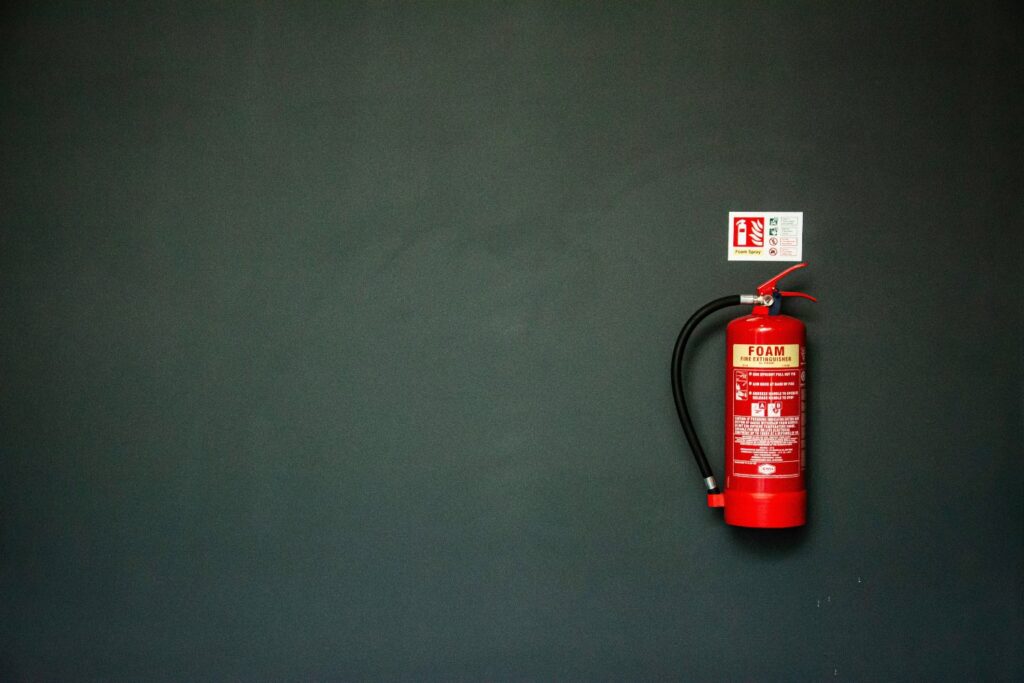
Test fire alarms, and review fire protection components such as sprinklers. If extinguishers have been used, is it recommended procedure to have these replaced. Emergency exits should remain clear at all times.
Signage
Have adequate signage around the venue, reminding staff of their responsibilities but also informing customers of what to do in an emergency. Clearly identify emergency exits and equipment.
Emergency planning
Emergency plans should be tailored to your venue. They need to include multiple strategies to overcome critical risks. Action plans need to include procedures before and after incidents, as well as evacuation routes.
Fire Risk Assessment
As is legally required, fire risk assessments need to be conducted regularly and accurately. Templates should include the details and severity of the fire risk, as well as how likely the risk is to cause an incident. Appropriate measure should then be taken and documented to reduce likelihood of an incident.
Building alterations and regulations
Fire safety building regulations are specific to each venue. Many nightclubs and bars are situated in older buildings, perhaps listed. Regulations may require approval before alterations to the structure as this could affect fire risk. Alterations will need to be officially approved, ensuring compliance for electrics and drainage. Contact your local council for a structural building assessment before making alterations, even if these are required for improved fire safety compliance.
Why is Fire Safety so important?
Fire is one of the main causes of business interruption in the hospitality sector. It also poses an immediate danger to life and can result in catastrophic injuries and claims. Fire can happen at any time from multiple sources. These sources need to be identified and proactive measures should be put in place and adhered to.
Switzerland Bar Fire Case Study
There is no more a prevalent or impactful case than the Swiss ski resort bar fire in the early hours of New Years Day 2026. The incident caused 40 people to lose their lives, as well as 116 injuries.
Background – Le Constellation bar in the popular ski resort Crans-Montana, Valais Switzerland was consumed in flames on the 1st January 2026. The bar was hosting a new years party, and regularly featured shisha, as well as multiple TV screens for viewing sports events
Incident – Reports show the fire started in the lower party room after fountain candle sparklers attached to champagne bottles set alight to the ceiling. Witnesses report a fire blast occurring, and the fire spread rapidly throughout the venue. People were seen burning from head to foot, as customers smashed windows to escape.
Investigation – 150 personnel, 10 helicopters and 40 ambulances reached the scene. 116 people were injured, 40 died. Of the 40, most were under 18, the youngest only 14 years old. A criminal investigation is now underway, looking closely at the bar’s two owners on suspicion of homicide and negligence. The fire set alight to soundproofing foam, causing it to burst, spread rapidly, and block the exits. The bar, renovated in 2015, had not been annually inspected. The foam and fire safety measure were found to be DIY by the bar leadership, with no training or official authorization.
Outcome – Although Swiss fire regulations are typically more stringent than the rest of Europe and the UK, there were failings on the part of official and the management team. Of 128 bars in the area, only 40 had been inspected in 2025. Pyrotechnic devices are now banned in the area and the other establishments owned by the owners have now been closed. Early liability estimates predict up to £1 million per burn victim. Facts are still be ascertained, but the owners could be facing up to 5 years in prison.
When did you last have a Fire Safety Inspection?
Nightclub and bar owners need to know when they last had a fire safety inspection. If inspections are not conducted annually by authorities, they should be chased up by business owners. Because of the high risk, annual fire risk assessments is the most reliable way to remain compliant. The Grenfell tower fire and the Swiss bar fire have thrown a spotlight on fire safety standards. As well as cultural changes, such as the rise in popularity of e-bikes and portable phone chargers which contain high risk batteries. New risk mitigation strategies may need to be adopted at your work premises in order to remain fire compliant.
Regular consultation with fire safety specialists and ongoing professional development will be essential for navigating these complex changes successfully. Use this opportunity to review your fire safety compliance today – and join the webinar to further educate yourself and your team.