
Seasonal Pedestrianisation, Sadiq’s vision for a nightlife-friendly London
Alfresco dining is coming to Soho after Sadiq Khan has elected to override the decision of the local council not to partake in his new £500,000 pedestrianisation scheme.
Sadiq Khan’s £500,000 pedestrianisation scheme will take effect in 2027, and will be spread across 15 London boroughs to support outdoor dining efforts. Previously known as the Summer Streets project, the scheme aims to support local councils and hospitality businesses.
With the expectation for another summer of sweltering weather and glorious sunshine, outdoor dining will be in demand. During the 2020 pandemic, alfresco dining was immensely popular, and transformed city streets up and down the country. The London mayor wants to see a seasonal pedestrianisation of streets, giving hospitality businesses the option to legally serve customers outdoors.
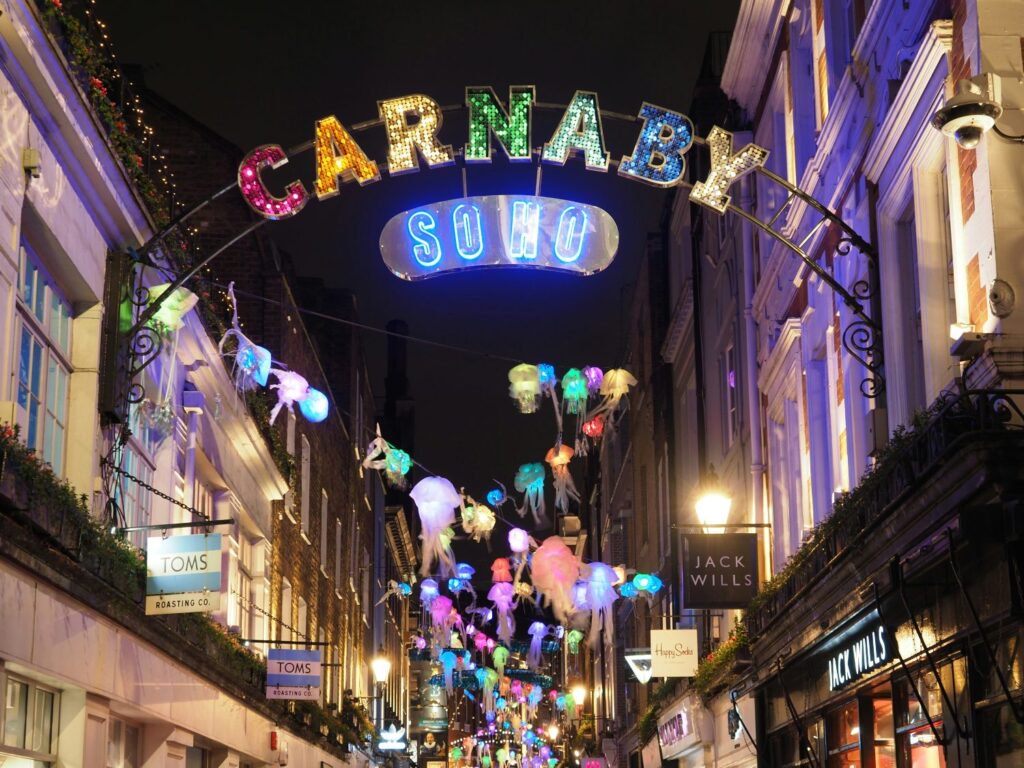
Soho, known the world-over for socialisation and celebration, is widely believed to be perfectly suited to pedestrianisation. However influential groups are opposed to the effort, going so far as to making representations against new bars and startups.
Why do some groups oppose pedestrianisation?
The potential pitfalls of pedestrianisation include:
- Accessibility, reduced for the elderly and disabled.
- Reduced emergency services access.
- Rise of crime, such as theft and violence.
- Noise complaints, from outdoor patrons but also the traffic jams caused by rerouting .
- Limited transport options, such as busses and taxis.
Local residents and Soho-based organisations have pushed back against pedestrianisation for years – citing noise complaints and transport issues. They’ve put pressure on the local council to not partake in the pedestrianisation scheme. However new mayoral powers will allowed Sadiq Khan to force through his decision.
Mayors to gain new licensing powers
The new bill, English Devolution and Community Empowerment Act 2026, is the reformation of local governments, in a bid to give local communities more autonomy. Mayors will be able to overturn licensing decisions by councils, benefitting the nightlife and hospitality scene and boosting the economy. In particular, the London Mayor’s role has new powers to intervene in licence applications which are judged to have “potential strategic importance” to the capital.
Devolution has been a keyword amidst the Labour government’s tenancy, and new powers awarded to mayors is a step in a devolving direction. The power of mayors to overturn council decisions for the benefit of pubs and clubs was piloted in 2025 and is part of the government’s plan to help hospitality thrive.
Cutting through licensing barriers is a key aim for Labour – “From al-fresco dining, to late opening hours, to the impact of burdensome licensing conditions, we need to look at how we can support our venues, not work against them.” Said a London Mayor spokesperson to the BBC in 2025.
Devolution was also the huge takeaway from Andy Burnham’s public speech in Manchester in June 2026. His aim is to push power away from Westminster and into the hands of mayors and local councils. It echoes the book the former Greater Manchester Mayor co-authored titled ‘Head North’ – advocating for better local autonomy and devolved leaders.
The benefits of pedestrianisation
With this change taking place in 2027, the hope is that more cities will be inspired to create pedestrianised zones with alfresco dining.
The advantages of pedestrianisation are clear:
- Pedestrians are likely to spend more money – through alfresco dining and increased footfall for highstreets businesses.
- Health benefits of walking and cycling, rather than buses and taxis.
- Improved safety for pedestrians and reducing vehicular incidents.
- Improved air quality with less emissions.
- Improve the overall look and feel of the environment.
- Increase capacity of hospitality venues with outdoor seating.
- Offers the opportunity for sporting celebration and bandstands in pedestrianised areas.

Mike Kill of the NTIA said to London City Hall:
“At a time when hospitality and nightlife businesses continue to face significant economic pressures, targeted investment like this is essential. This initiative not only helps businesses maximise the vital summer trading period, but also reinforces London’s position as a world-leading cultural and night-time destination—supporting an industry that underpins jobs, tourism, and community life across the capital.”