
The Monday morning of 6th July may have been the most profitable Monday morning ever for pubs and bars across the country
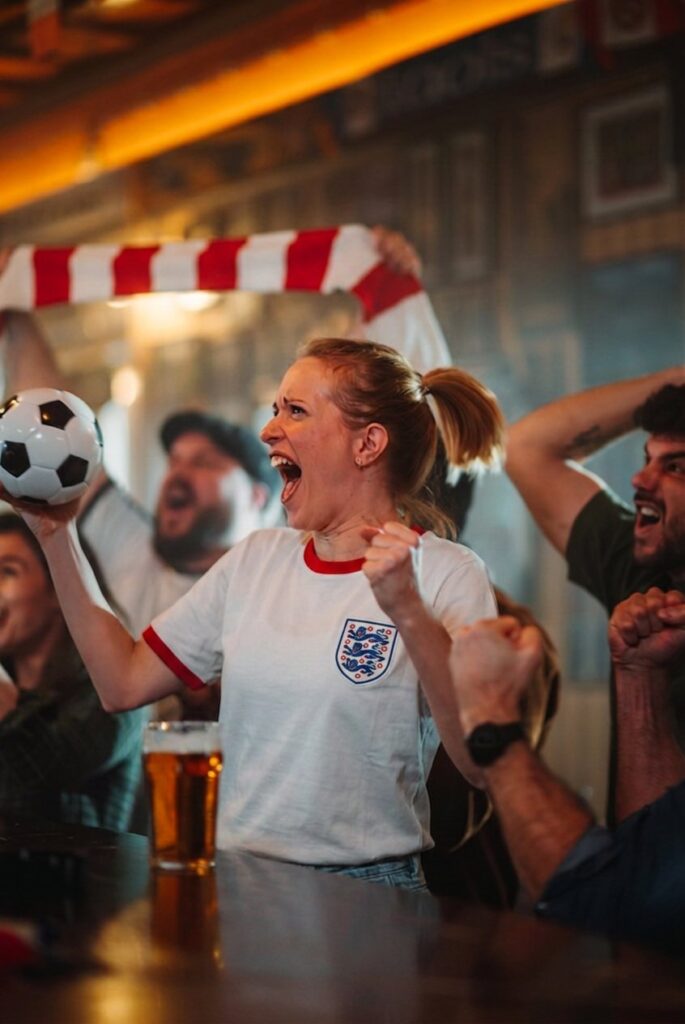
The novelty of partying on a Sunday evening and Monday morning could only be made possible by The World Cup. As licensing hours were pushed back to 5am, many pubs made hasty plans, a risk which paid off, serving fans into the early hours. The late kickoff mixed with the electric 3-2 game ensured a raucous and vibrant atmosphere.
Every English football game this tournament has proved a huge boost for pubs and clubs. And every game England win also feels like a win for hospitality, prolonging the nights of drinking and celebration.
As the tournament moves onto the Quarter Finals – every single game is a blockbuster! Whether it’s France, Spain, Argentina or England featuring, expect increased footfall at your venue.
At NDML we deliver an update on the state of hospitality, after Sunday night’s financial injection into the industry. But with many more games to come, we review the employment legislation that must be followed for all businesses, including pubs and clubs; surrounding shift patterns, overtime pay and rest breaks.
Who won on Monday –
- The Three Lions, England
- Pubs
- Nightclubs
- Community Clubs
Who lost on Monday –
- El Tricolor, Mexico
- Schools
- Employers
Beer Sales Statistics from the England World Cup game against Mexico:
- One third of pubs elected to stay open for the England game vs Mexico (says Dojo)
- Drink sales up 67% (from Heineken UK)
- 5.95 million pints sold on Sunday night, that’s 1.25 million extra pints (from British Beer and Pub Association)
- 113,000 guest bookings for World Cup games at Stonegate pubs (from Stonegate)
- NTIA’s Listen for Life Campaign recorded a noise level of 135 decibels, equal to a jet taking off (from NTIA)
- 367% increases in transactions made compared to a regular Monday morning at 1am – 3am, & rose 746% compared to 3am – 5am. (from Square the transactions groups)
Employment Law at Pubs and Bars for World Cup Shifts
Businesses have been advised to set expectations of their staff during the World Cup Tournament. Sick leave and holiday absences have soured during the tournament, up 21% as opposed to normal. HR organisations predicted more than 500,000 employees would call in sick on Monday after Mexico’s game – however in actuality, far fewer sickies were recorded.
Before the tournament BrightHR predicted a total of 3.6million sick days to be taken during the World Cup. The absenteeism and detriment to presenteeism was expected to cost an estimated £94million to employers.
Yet for hospitality businesses, the risks are two-fold. Not only could the World Cup impact absenteeism, it could also cause issue with shift patterns. Employers need to be careful not the break employment law when requesting overtime or scheduling employee work timetables.
The hospitality and nightlife sector must adhere to the Working Time Regulations – set out on the Government’s website.
- Workers have the right to one uninterrupted 20 minute rest break during their working day, if they work more than 6 hours a day.
- Workers have the right to 11 hours rest between working days. For example, if they finish work at 8pm, they should not start work again until 7am the next day. Or if they finish work at 5am, they should not start work until 4pm the next day.
- Workers have the right to weekly rest. That’s either an uninterrupted 24 hours without any work each week, or an uninterrupted 48 hours without any work each fortnight.
- Hospitality overtime must not push a worker’s average weekly hours beyond the legal 48-hour limit, unless the employee signed an opt-out agreement.
An employer should give an employee enough breaks to make sure their health and safety is not at risk. Tired workers become complacent and the likelihood of accidents happening rises. There is no limit to long shifts as long as the 11 hours rest are respected, or the number of consecutive days as long as the weekly rest is respected. Night shift workers however, must not work more than 12 hours per day.
Ensuring suitable breaks between work patterns can be difficult, especially with the staff shortage in the sector and the last minute nature of the World Cup dates. It is a lawful requirement that hospitality businesses follow employment rights and standards, falling fowl can lead to a claim or a lawful dispute.
Aspects of your business insurance to review before world cup games
Managing risk will involve reviewing shift patterns and work breaks, as well as compliance, staff training, teamwork; and also a full review of your insurance policy.
See which areas of your business insurance to review here.